



A practical guide to matte, gloss, metallic, brushed, mirror, printed, textured and anti-fingerprint finishes for refrigerator, washing machine and other appliance steel panels.
Surface finish affects more than appearance. It can change how clearly fingerprints and scratches are seen, how the panel behaves after stamping and bending, how easy it is to clean, and how difficult it is to keep repeat orders visually consistent. The finish should therefore be selected together with the material system, panel position and production process.

Quick Selection: Which Finish Fits Which Requirement?
Standard cabinet and side panels: solid-color or metallic PCM.
Premium front and door panels: brushed, black stainless, mirror or decorative VCM.
Dark, frequently touched surfaces: matte, textured or anti-fingerprint systems after testing.
Special decorative models: printed, wood grain, embossed or custom sample-matched finishes.
Surface Finish Is Not the Same as the Material System
Terms such as “brushed steel,” “matte metal,” “black stainless” and “mirror finish” describe the visual result. They do not fully define how the panel is made. A similar appearance may be produced through a painted PCM system, a laminated VCM film, printing, embossing or real stainless steel.
The material system determines coating or film adhesion, bend behavior, heat resistance, scratch sensitivity, cost and production risk. Buyers should therefore confirm both the finish and the underlying structure before approving a sample.
Practical rule: do not approve an appliance panel based only on a finish name or a screen image. Confirm the substrate, coating or film system, gloss, texture direction, forming method and physical sample.
Main Appliance Panel Surface Finishes
Solid Color

White, gray, black, silver and customer-approved colors are common for side panels, cabinet bodies and standard appliance ranges. The main controls are color consistency, gloss and forming.
Matte and Low-Gloss

Matte finishes reduce reflection and support a modern appearance. However, matte does not automatically mean fingerprint-resistant or scratch-resistant, so cleaning and scuff tests remain necessary.
Brushed and Stainless Look

Directional lines create a stainless-style appearance. Brush direction, metallic tone, bend whitening and pattern consistency should be checked on the formed panel.
Metallic and Pearl

Metallic finishes create more visual depth than flat solid colors. Color can change with viewing angle and lighting, so the approval method should be agreed in advance.
High-Gloss and Mirror

These finishes create strong reflection and depth, but they also make scratches, flatness problems and handling marks easier to see. Protective-film quality becomes especially important.
Black Stainless and Dark Metallic

Dark metallic finishes are widely used on premium appliance doors. Fingerprint visibility, scratch contrast and batch color variation need tighter control than on light solid colors.
Printed and Wood Grain
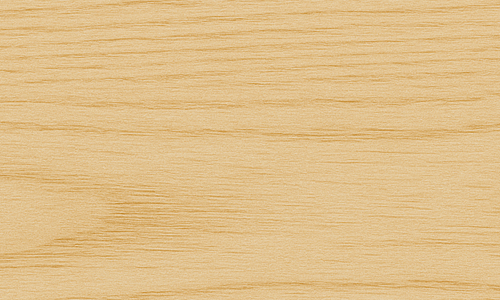
Printed or film-laminated patterns can create wood grain, stone, textile or other decorative effects. Pattern direction and distortion after forming must be considered.
Embossed and Textured

Physical texture can reduce the visibility of minor marks and create a different tactile effect. Texture depth, cleaning behavior and forming compatibility should be validated.

Which Finishes Can PCM and VCM Produce?
PCM uses a painted coating, while VCM uses a laminated decorative film. They overlap in some visual directions, but they are not interchangeable in every design or forming process. A fuller technical comparison is available in the PCM vs VCM steel sheet guide.
| Finish Direction | PCM | VCM | Main Check |
|---|---|---|---|
| Solid Color | Common | Possible | Color, gloss and forming |
| Matte / Low Gloss | Common | Common | Scuffing, cleaning and gloss tolerance |
| Metallic / Pearl | Possible | Common | Viewing angle and color consistency |
| Brushed Stainless Look | Limited painted or printed effect | Common | Brush direction, bend marks and film adhesion |
| Mirror / Deep Gloss | Selected systems | Common | Surface flatness, scratches and protective film |
| Wood Grain / Printed Pattern | Possible through printing | Common | Pattern direction and forming distortion |
| Embossed Texture | Possible with additional processing | Possible with suitable film and processing | Texture depth and forming compatibility |
Buyers comparing painted options can review the PCM and pre-coated metal page. Decorative film structures and finish options are covered on the VCM laminated steel page. Broader PVC, PET and decorative film systems are introduced on the laminated steel sheet page.
How Finish Selection Changes by Appliance Position
The panel position should be defined before choosing the finish. Customer-facing and frequently touched surfaces usually need tighter appearance control than hidden or mainly structural panels.
| Appliance Position | Common Finish Direction | Main Selection Concern |
|---|---|---|
| Refrigerator Door | Brushed, metallic, matte, black stainless, mirror or other decorative finish | Retail appearance, fingerprints, scratches and forming |
| Refrigerator Side Panel | Solid-color or metallic PCM | Color coordination, cost and forming stability |
| Washing Machine Cabinet | White, gray, silver, matte or selected decorative finish | Humidity, cleaning, coating adhesion and scuff resistance |
| Wine Cooler or Display Cabinet | Black, brushed, metallic, mirror or wood grain | Lighting appearance, edge forming and scratch visibility |
| Hidden or Rear Panel | Functional coated finish | Protection, flatness, structure and cost |
More detailed material selection by refrigerator position is covered in the refrigerator panel steel page. Washing machine cabinet and panel requirements are covered in the washing machine panel steel page.
Technical Factors Buyers Should Check
- Gloss level: define the target range and measurement method rather than using only terms such as matte, semi-gloss or high gloss.
- Color approval: use an approved physical standard and agree on the viewing direction, light source and acceptable variation.
- Texture or brush direction: coordinate the rolling, slitting and panel-forming direction before production.
- Fingerprint performance: confirm through touch and cleaning tests, especially for dark, metallic and highly visible panels.
- Scratch and scuff visibility: high-gloss and dark finishes often show damage more clearly than light or textured surfaces.
- Forming behavior: test the actual bend radius, edge fold and stamping depth.
- Protective film: check peel strength, residue, removal timing and compatibility with processing.
- Repeat-order consistency: retain signed color, gloss and texture standards for future batches.
A flat sample can confirm the visual direction, but it cannot fully predict bend marks, pattern distortion, scratching or protective-film behavior during production.
Recommended Sample Approval Process
Define the Reference
Provide a physical panel, film code, RAL, Pantone, NCS or another visual reference.
Approve a Flat Sample
Confirm color, gloss, texture, metallic effect and pattern direction.
Run a Forming Trial
Check bends, edge folds, surface marks, film adhesion and pattern distortion.
Review the Pilot Batch
Verify processing stability, protective-film removal and assembly handling.
Keep an Approved Standard
Retain the signed sample and agreed appearance limits for repeat orders.
Check Packaging
Confirm protection against scratches, moisture and transport damage.
Buyer Checklist for Appliance Surface Finish Inquiries
To receive a useful material recommendation or sample, provide the following information:
- Appliance type and exact panel position.
- Target finish, color, gloss and texture direction.
- Physical sample, film code or color reference when available.
- Preferred PCM, VCM or undecided material direction.
- Substrate, thickness, width and coil or sheet requirement.
- Drawing, bend radius, stamping depth or forming description.
- Fingerprint, scratch, humidity, heat or cleaning requirements.
- Trial quantity, annual demand and destination.
Need a Broader Home Appliance Steel Overview?
Review the home appliance steel hub for material categories, application pages and supply options after defining the required surface direction.
View Prepainted Metal for Home AppliancesAppliance Panel Surface Finishes — FAQ
What are the main finishes used on appliance steel panels?
Common options include solid color, matte, gloss, metallic, brushed stainless look, black stainless, mirror, printed, wood grain and embossed finishes.
Is a matte finish automatically fingerprint resistant?
No. Matte appearance and fingerprint resistance are different properties. The selected paint, film or top treatment should be tested for touch marks and cleaning.
What is the difference between brushed PCM and brushed VCM?
A brushed PCM effect is created through a painted or printed coating system, while brushed VCM uses a laminated decorative film. Their appearance, bend behavior, adhesion and cost can differ.
Which finish is suitable for refrigerator door panels?
Brushed, metallic, matte, black stainless, mirror and solid-color finishes can all be used. The final choice depends on market position, touch frequency, forming, fingerprint control, scratch visibility and cost.
Why should a finish be tested after forming?
Bending and stamping can change gloss, create stress marks, distort patterns, damage the film or expose scratches that are not visible on a flat sample.
Can an appliance finish be approved from a RAL or Pantone code?
A color code can define the starting direction, but final approval should use a physical coated sample because gloss, texture, metallic effects and the substrate influence the final appearance.

